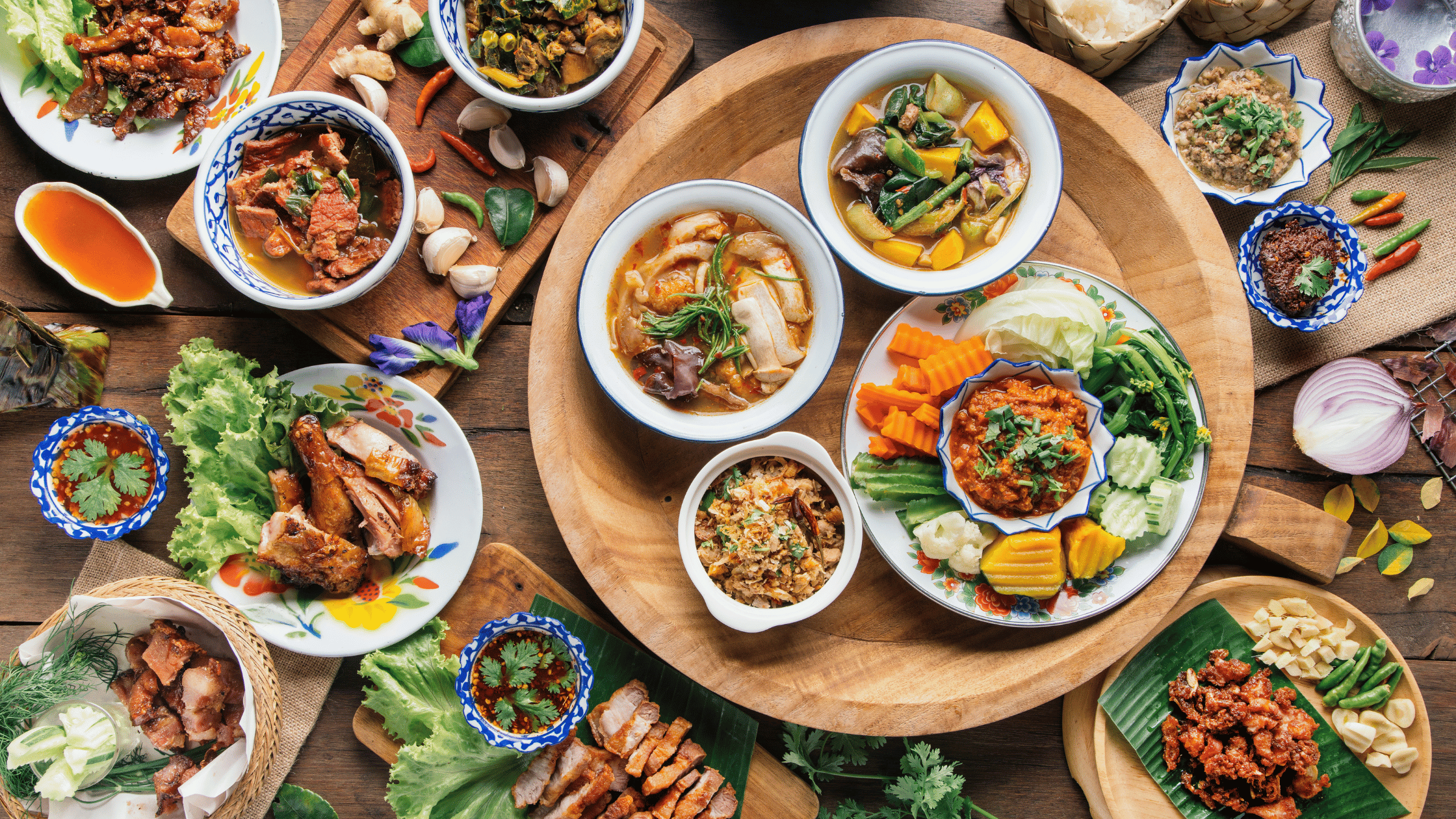

Introduction: The Dish That Defines Thai Comfort Food
In the world of Thai cuisine, few dishes are as iconic, comforting, and universally loved as Chicken Basil Stir-Fry with Crispy Fried Egg, known locally as Pad Kra Pao Gai Kai Dao (ผัดกะเพราไก่ไข่ดาว). It’s the dish Thai people crave when they’re hungry, tired, stressed, or just looking for something fast, flavorful, and deeply satisfying.
With its fiery garlic-chili base, savory sauce, aromatic holy basil, and the irresistible richness of a perfectly fried egg, Pad Kra Pao is a masterclass in balanced flavor and texture. Despite its simplicity, it delivers an explosion of spicy, salty, and umami goodness in every bite.
Whether you’re a beginner looking to cook Thai food at home or someone trying to perfect your Pad Kra Pao technique, this ultimate guide will walk you through every step to nail this beloved dish—crispy egg and all.
What Makes Pad Kra Pao Gai So Special?
1. It’s Quick and Flavorful
From prep to plate, this dish can be done in under 20 minutes. Yet it delivers complex flavors that taste like you spent hours in the kitchen. It’s spicy, salty, slightly sweet, and deeply aromatic.
2. It’s Balanced in Every Bite
You get protein from the chicken, fresh herbal notes from the basil, bold seasoning from the sauces, and richness from the fried egg—all served over fragrant jasmine rice. It’s complete, crave-worthy, and comforting.
3. It’s a National Favorite in Thailand
In Thai culture, Pad Kra Pao is the go-to meal for busy days. It’s on every street corner and restaurant menu. It’s also the most commonly ordered “khao raat gaeng” (rice and curry) dish, often topped with a runny fried egg that ties it all together.
Key Ingredients: Choosing the Right Components
1. Holy Basil (Bai Kra Pao)
This is non-negotiable. Holy basil has a spicy, peppery flavor and rough-edged leaves. It’s not the same as Thai sweet basil or Italian basil.
- Where to find: Asian markets or grow your own
- Substitute: In emergencies, use Italian basil with a pinch of chili, but know the flavor will differ
2. Chicken
The traditional choice is minced or finely chopped chicken thigh, which has more moisture and flavor than breast meat.
- For leaner options: ground chicken breast
- For authentic texture: hand-chopped thigh meat
3. Garlic and Thai Bird’s Eye Chili
These two are crushed together and stir-fried to create the foundation aroma of the dish.
- Amount: Depends on spice tolerance, but a 1:1 garlic-to-chili ratio is common
- Pro tip: Use a mortar and pestle instead of chopping for better flavor release
4. The Sauce Mix
A perfect Pad Kra Pao sauce balances salt, umami, and just a touch of sweetness:
- Light soy sauce
- Dark soy sauce (for color)
- Oyster sauce
- Fish sauce (for funk and depth)
- Sugar (just a pinch)
5. Jasmine Rice
Soft, fragrant jasmine rice is the ideal base. It absorbs the sauce and complements the dish’s heat and richness.
6. The Fried Egg (Kai Dao)
A Thai-style fried egg is crispy on the edges with a runny yolk that coats the rice and stir-fry like a sauce. It’s a defining element of the dish.
Step-by-Step Recipe: Pad Kra Pao Gai with Fried Egg
Ingredients (2 servings):
- 300g minced chicken (or finely chopped thighs)
- 3 cloves garlic
- 4–6 Thai chilies (adjust to taste)
- 1 cup fresh holy basil leaves
- 1 tbsp oyster sauce
- 1 tbsp light soy sauce
- 1 tsp dark soy sauce
- 1 tsp fish sauce
- ½ tsp sugar
- 2 tbsp oil (for stir-frying)
- 2 eggs
- Cooked jasmine rice (for serving)
Instructions:
1. Prepare the Garlic-Chili Paste
- Pound garlic and chilies together in a mortar and pestle until coarse.
- Alternatively, mince finely with a knife.
2. Stir-Fry the Chicken
- Heat 1 tbsp oil in a wok or deep skillet over medium-high heat until hot.
- Add the garlic-chili paste and stir for 10–15 seconds until fragrant (don’t let it burn).
- Add the chicken and stir-fry until fully cooked and slightly browned.
3. Add Sauce Ingredients
- In a small bowl, mix your sauces and sugar. Pour over the chicken.
- Stir-fry to coat and slightly caramelize the chicken (2–3 minutes).
- Add a splash of water if it gets too dry.
4. Add the Holy Basil
- Turn off the heat and stir in the basil.
- Let it wilt from the residual heat. This keeps the flavor fresh and vibrant.
5. Fry the Eggs
- In a separate pan, heat 2–3 tbsp oil over high heat.
- Crack in the egg and let it fry undisturbed. Spoon hot oil over the top to crisp the edges.
- Remove when whites are golden and crispy, yolk still runny.
6. Assemble the Plate
- Serve the stir-fry over hot jasmine rice.
- Top with the crispy fried egg.
- Optional: Garnish with cucumber slices or chili-fish sauce for extra zing.
Tips for Getting It Just Right
1. Cook Hot and Fast
Pad Kra Pao isn’t slow-cooked. The key is high heat, a hot pan, and quick movements. This creates “wok hei” — that smoky flavor Thai stir-fries are famous for.
2. Don’t Overcook the Basil
Holy basil wilts fast and becomes bitter if overcooked. Always add it after turning off the heat.
3. Adjust to Taste
- Want more spice? Use more chilies or add chili flakes.
- Prefer saucy Pad Kra Pao? Add a splash of broth or water to loosen it.
- Watching sodium? Use low-sodium soy sauce or reduce fish sauce.
4. Use Fresh Ingredients
Fresh garlic, chilies, and basil make a world of difference. Pre-packaged or dried ingredients simply don’t offer the same bold aroma or flavor.
Variations You Can Try
Though chicken is the classic choice, you can make Pad Kra Pao with:
- Pork (Pad Kra Pao Moo) – often made with crispy pork belly
- Beef (Pad Kra Pao Neua) – thinly sliced or ground
- Seafood – shrimp or squid stir-fried with basil and chili
- Tofu or Tempeh – a great vegetarian/vegan alternative
- Mushroom or Plant-Based Meat – perfect for meatless Mondays
Conclusion: A Dish You’ll Cook Again and Again
Pad Kra Pao Gai with crispy fried egg isn’t just a dish—it’s a culinary comfort zone. With its perfect balance of spice, umami, and texture, it’s no wonder this stir-fry is a national favorite in Thailand and loved by people around the world.
By following this ultimate guide, you’ll learn not just how to replicate the taste of authentic Thai basil chicken, but how to adjust it to your liking, making it a regular part of your meal rotation.
So fire up the wok, grab that holy basil, and enjoy the satisfaction of creating this iconic Thai classic right in your own kitchen—with that beautiful, runny fried egg crowning it all.